The NFL rarely writes storylines as surprising as this one: in late 2025, at age 44, Philip Rivers returned to the field after nearly five years in retirement — coaching high school football — to take over as the starting quarterback for the Indianapolis Colts. This wasn’t a nostalgic cameo. It was a strategic decision in the midst of a playoff race.
Meanwhile, Cam Newton — still looking for a roster spot and incensed that teams have overlooked him — publicly framed such decisions as an insult, implying that preferring an older quarterback over him is a rejection of his ability and toughness.
But there’s a big difference between feeling disrespected and the on-field and roster realities NFL teams face.
The Colts’ Situation in 2025: Urgency Over Idealism
Indianapolis didn’t sign Rivers because they wanted a storyline or a headline. They signed him because:
- Their existing quarterbacks were unavailable, inconsistent, or injured
- The season was at a critical juncture
- They needed someone who could step in immediately
- They had playoff aspirations that demanded experience over projection
This is nothing like a typical offseason signing. The Colts were not planning for 2026 — they were fighting for wins this week.
At 44, Rivers hasn’t just “gotten by” — he’s shown the ability to pilot an NFL offense competently after years away, mental processing still sharp, and a veteran presence that stabilizes a struggling locker room. That’s a non-trivial asset in November football.
Experience and Reliability — Not Ego — Drove the Decision
In the NFL, teams evaluate quarterbacks based on measurable and observable traits that impact winning:
Philip Rivers (2025)
- Years of pro experience with sophisticated offenses
- Excellent command of protection schemes
- Rarely commits back-breaking turnovers
- Trusted by coaches to execute a game plan
- Still capable of delivering intermediate and timing throws
Cam Newton (context entering 2025)
- Elite physical traits early in career, declining with age and injuries
- Style that depended on athleticism more than pocket mechanics
- A history of bouts with injury
- Limited meaningful NFL reps in recent seasons
There’s no question Newton’s physical talent once rivaled the best in the league. But talent alone isn’t enough in a high-stakes, midseason fight for relevance. Coaches and front offices also ask:
- Can this quarterback manage the offense under stress?
- Will he minimize high-variance plays that cost possessions?
- Can he operate within the structure without reinventing the offense?
These are the same questions that make Rivers appealing even after retirement.
The Clip That Followed Newton, and Why It Matters
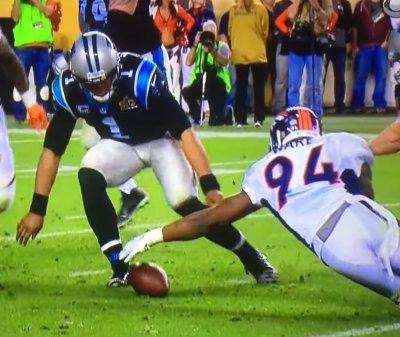
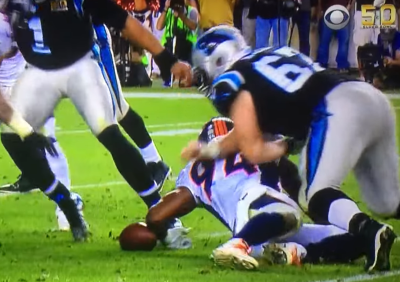
Critics of Newton point to a specific play — a moment where he could have dove on a loose ball, but didn’t — as evidence of “not finishing his assignment.” Whether or not that interpretation is fair, NFL evaluators are not just watching physical ability; they are watching:
- How players handle risk vs reward
- Whether they instinctively protect possession
- Whether they sacrifice for team benefit
Rivers’ career reputation is built on steadiness, game management, and execution — the exact traits teams lean on when postseason chances are in the balance.
“Insult” or Strategy?
Calling the Colts’ signing an “insult” misunderstands the calculus of NFL roster construction. Teams do not make personnel decisions based on ego. They make them based on:
- Immediate need
- Trustworthiness under pressure
- Structure and fit within the offense
- Likelihood of winning now
A 44-year-old quarterback with a reputation for preparation and command of offense can be a more predictable, controllable choice than a younger player coming off injuries or uncertain recent performance.
That doesn’t mean Cam Newton isn’t capable — it means teams are making pragmatic decisions about what gives them the best chance to win right now.
Conclusion
The Colts’ choice to bring back Philip Rivers wasn’t a slight against Cam Newton. It was a decision rooted in context, urgency, and trust. In this moment of the 2025 season, the Colts needed:
- A quarterback who could step in without a learning curve
- A leader who could manage the offense cleanly
- A player with a track record of execution under duress
Philip Rivers fit that profile. Cam Newton’s frustration is understandable — every veteran wants opportunities. But the NFL is an outcome-driven league, and the Colts made the choice they believed gave them the best shot this season, not the best narrative.